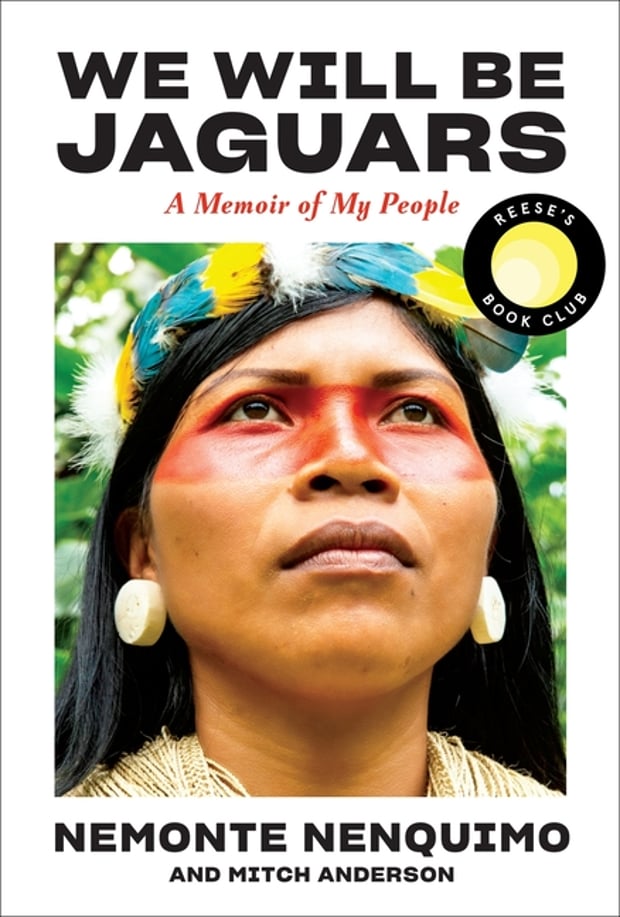
We Will Be Jaguars (Reese's Book Club Pick)
A Memoir of My People
Notes
Hearing a firsthand account from someone who grew up in a tribe in the middle of the deep jungle in Ecuador is a rare perspective. It's a story of how colonizers - oil companies and missionaries - have harmed (and continue to harm) the people, culture, and environment. The oil companies poison the river, then make the locals rely on the fresh water and food they provide, creating dependency and causing deadly rifts between tribes over resources. The missionaries tell them their cultural practices are devil-ish and they promise that through worshiping the right God (and adopting white culture more broadly), they will be better.
This isn't some story of the past. This is right now. Colonialism is ongoing.
Also, the oil companies are promising "prosperity", but they're taking away the tribes' ability to be self-sufficient, as they were before the violence and contamination began. How many big-moneyed interests move into a town and say "Yes, we'll poison your environment, but you will have a new job." (Looking at you, too, data centers, etc.)
Nemonte is successful in bringing together different tribes and to challenge the actions of the oil companies in court. Building a coalition was imperative to this.
Some favorite quotes:
"My people were about to go to war against our uncontacted relatives - and all because of the oil company. I had never met the Taromenane people, but I loved them. They were part of me. The part that hadn't been corrupted hadn't been abused, hadn't been weakened by the white man's world."
From Michi (Mitch Anderson, Nemonte's partner/translator for the book) on why people read:
"To learn about...to see little parts of ourselves in other people's stories."
After seeing the sign "Oil is progress" at the edge of the poisoned river:
I wish that the people of my (Michi's) country could see this...our comfort is build on the destruction of the rivers and the forests and the lives..."
On stakeholder engagement - don't ask people what "they need", ask "what they dream."
"If we ask what they need, they will talk about money and things. That's what the companies and government have taught them...if we ask about their dreams, about their visions for their communities, then they will tell us about what is sacred. They will tell us what they love."
A super important distinction!! And I think this should guide any community outreach effort.
"Once they (the white people) destroy the community, then it is easy to destroy the individual."
This is true for governments/policies breaking apart communities, too. Community connection is resilience.